Rechercher dans ce blog

Tuesday, May 4, 2021

Your COVID vaccine booster might be a patch or a pill. Or it might come with your flu shot. - CBS News


While the Biden administration has been racing to maximize the number of Americans vaccinated against COVID-19, government researchers have also been working on what form the next generation of vaccines will take.

They may be combined with the seasonal flu vaccine, or could come in the form of pills or patches instead of shots. Scientists also envision vaccines that might shield against viruses beyond SARS-CoV-2 (the virus that causes COVID-19) that could avert future pandemics.

And they're evaluating whether those who are fully vaccinated might need booster shots later this year. Additional shots could be virtually identical to the first doses, given as a safeguard against the possibility of waning immunity or tweaked to defend against mutant strains that are raising concerns. 

Here's what we know about the next-generation landscape of coronavirus vaccines: 

Booster shots

The three major vaccine manufacturers with shots authorized in the U.S., Pfizer, Moderna, and Johnson & Johnson, have plans for — or are already testing — an additional shot. The booster shots are expected to be very similar to current vaccines but could come in a smaller dose.   

"With many vaccines, we understand that at a certain point in time we need to boost, whether that's 9 months, 12 months. And we are preparing for that," Dr. David Kessler, chief science officer for the administration's COVID-19 response, told lawmakers last month

Boosters might also be blended with the annual seasonal flu shot. Moderna said it's planning early trials of these kinds of combined shots this year. Other combinations of vaccines are already frequently used to immunize younger children against multiple diseases in a single doctor's visit.

However, administration officials say no decision has yet been reached on how booster shots would be used — or whether they would even be needed.

What about variants?

While booster shots renew the body's immunity to the virus by mimicking parts of the original strain first identified in China, vaccine makers are also trying to tweak their doses to address newer variants of SARS-CoV-2, some of which are spreading more quickly and may cause more severe illness. 

This isn't unusual; seasonal flu vaccines are regularly changed to address mutations spotted in the virus around the world. 

Dr. John Mascola, head of the Vaccine Research Center at the National Institute of Allergy and Infectious Diseases, says understanding SARS-CoV-2's mutations is "a major focus" for federal scientists. 

The NIH has devoted funding and researchers from across its campus to answering key questions about variations in the virus. Some scientists are focused on testing the impact mutations could have on vaccine efficacy. Others are working to better understand and map its "epitopes," spots where antibodies can target SARS-CoV-2's signature spike protein.

"That's sort of a basic scientific body of knowledge that, in the long run, can guide antibody therapies but also guide vaccine design. Basically saying, 'Can I understand how the virus is going to escape and can I account for that,'" Mascola explained.

Moderna and Pfizer are both pursuing possible versions of their doses adjusted for the B.1.351 variant first spotted in South Africa, though research so far suggests their current vaccines may remain mostly effective against the mutant. The AstraZeneca-Oxford vaccine, which isn't authorized for use in the U.S., has been found to provide only "minimal" protection against the South African variant.

"The reason they are choosing that strain is it's one of the ones we know about now, with the variants of concern that are out there, that's the most antigenically different," said Mascola. 

Mascola also raised the possibility that developing a booster with the South Africa variant could provide more protection.

"For example, if we boost with the B.1.351 strain and we see that the serum antibodies are broader, not only do they neutralize the original strain but also B.1.351 and other variants, then that may be a preferred approach," added Mascola. 

Skipping the needle

There's also a substantial effort underway to come up with vaccines that don't rely on needles and syringes to be administered, after record demand strained the complex global supply chain amid the pandemic. Some projects could make it easier to store and transport the vaccine, without the expensive freezers and dry ice currently required for the Moderna and Pfizer vaccines. 

For example, future doses could be inhaled through the nose instead of shot into arms. The NIH recently touted promising results from a single-dose intranasal vaccine tested on monkeys, similar to AstraZeneca's. 

The Biomedical Advanced Research and Development Authority (BARDA) last year also announced millions of dollars in contracts to develop a handful of other alternatives delivered by wearable patches or pills, deploying the agency's experts to shepherd developers through early trials and regulatory approvals.

Vaxess Technologies claims its self-applied patch is shelf stable and painless, delivering its vaccine through microscopic "projections" that dissolve into the skin.

"We're working with the companies, with the different technologies, to potentially partner them with the six vaccine candidates that are currently being supported by the U.S. government," said BARDA Director Gary Disbrow. 

BARDA hopes the firms can show in smaller trials that they trigger the same kind of immune response as the currently authorized vaccine doses, which could speed their availability to the general public.

"The technologies have been shown for other viral pathogens, but we are trying to support them for the clinical trials. And again, the timing is really dependent upon whether we can identify those correlates for protection," added Disbrow. 

A "pan-coronavirus" vaccine

Scientists at the Walter Reed Army Institute of Research recently announced early trials of a vaccine relying on a "spike ferritin nanoparticle" that has shown some promising results against variants of SARS-CoV-2 as well as the earlier, related virus known as SARS-CoV-1. 

"Over the last four years, we've been working on trying to move away from one virus, one vaccine. And try to really have vaccines for the future," says M. Gordon Joyce, a top scientist at WRAIR's emerging infectious diseases branch. 

Unlike the other currently authorized vaccines, WRAIR's experimental doses are designed to deliver engineered triplets of the spike proteins they hope will train immune systems to produce a greater quantity and diversity of antibodies. Similar to other classic "protein vaccines," developers say these doses could prove to be sturdier than vaccines that require carefully controlled climates to keep stable. 

The researchers say they are in talks with commercial partners for possible next steps for their shots. The current batch of doses being tested could be developed into a "variant-proof" vaccine, booster shots, or serve just as a "proof of principle" for future vaccines aimed at broader groups of coronaviruses. 

"We didn't think that we would already be here with a pan-SARS-like virus vaccine, but it appears we may be there," says Kayvon Modjarrad, director of WRAIR's emerging infectious diseases branch. 

The Link Lonk


May 05, 2021 at 02:40AM
https://ift.tt/3egUEh3

Your COVID vaccine booster might be a patch or a pill. Or it might come with your flu shot. - CBS News

https://ift.tt/2DVP6sH

Pfizer/BioNTech's COVID-19 vaccine not to require a booster in 6–12 months - Clinical Trials Arena


Despite Pfizer and BioNTech suggesting the need for a COVID-19 booster within 12 months from initial Comirnaty (BNT162b2) vaccination, experts said it was unlikely a third dose would be needed that soon. The high protection rate reported at six months and robust immunogenicity levels reported despite variants of concern (VOCs) are among the reasons for their optimism.

Both companies are assessing two booster strategies: repeat vaccination with Comirnaty or with BNT162b2SA, a version of Comirnaty specific for the VOC B.1.351, first reported in South Africa. Comirnaty as a third dose should offer enough of an immunogenicity boost to protect against the original variant, experts noted. In fact, it could even supersede Comirnaty’s two-dose immunogenicity data, which would make room for any negative impact of VOCs such as B.1.351, they said.

However, experts argued that using BNT162b2SA as a booster in the wider population may be a better long-term protection investment. It would allow vaccine receivers to have a broader immunogenicity profile and perhaps heightened protection against a variety of variants, they added.

Experts also noted the exploratory nature of the 144-participant booster study. Comirnaty’s Phase I/II/III trial was amended to investigate a third dose when given approximately 6–12 months after the authorised two-dose regimen. On 28 April, this news service reported COVID-19 vaccine manufacturers such as Pfizer/BioNTech are likely to launch renegotiated vaccine prices that would include booster shots as soon as the fall.

In media interviews, Pfizer CEO Albert Bourla and BioNTech CEO Ugur Sahin have touted the possible need for a third shot within 12 months after initial vaccination. In response to a request for comment from this news service, a Pfizer spokesperson reiterated that it monitors trial participants for up to two years to study immunity with Comirnaty, with the booster investigation looking into safety and the two-dose regimen’s potential need for a booster. Pfizer’s market cap is $215.37bn, while BioNTech’s is $46.07bn.

Six-month data, preclinical research supportive of durable vaccine efficacy

Comirnaty’s six-month data is a testament to the vaccine’s durability, which is likely to be maintained up to at least 12 months following the initial two-dose regimen, said Phase III Comirnaty investigator Dr Stephen Thomas, chief, Infectious Disease Division, Upstate Medical University, Syracuse, New York. The six-month data from the Phase III portion of the Phase I/II/III trial showed a 3.7-point drop to 91.3% efficacy against symptomatic disease based on 850 confirmed infections in the placebo arm and 77 in the Comirnaty arm, according to a 1 April media release.

In general, a vaccine that triggers a durable response for the first six months typically has longer-term durability, Thomas added. And so, despite mRNA vaccines being a new technology, it is unlikely that Comirnaty’s efficacy will drop below 50% protection in the next six months, he noted. Regulatory agencies’ passing grade for Emergency Use Authorizations (EUAs) is 50%.

Even in the face of VOCs, a booster is unlikely needed within 12 months of initial vaccination, noted Dr Daniel Griffin, chief, Division of Infectious Disease, ProHealth Healthcare, New York. With the vaccine having such high protection against symptomatic disease, reduced efficacy against VOCs would still be considered protective enough, Thomas added.

There is also data showing that the two-dose regimen is efficacious enough against VOCs, Griffin added. The Phase III’s 800-volunteer South Africa cohort reported nine infections, all in the placebo group, and six were of the B.1.351 lineage.

In addition, Comirnaty’s immunogenicity remains robust when tested against VOCs, added Andrew Ward, PhD, professor, Department of Integrative Structural and Computational Biology, Scripps Research, La Jolla, California. While preclinical data (Liu Y, et al. N Engl J Med 2021; 384:1466-1468) shows B.1.351 diminishes immunogenicity, it does not drop significantly enough to question the vaccine’s protection potential, he said.

The results underscore the fact that the original virus and VOCs may have limited differences, Ward explained. The main cause for the mutations is to make the virus more transmissible, not necessarily to cause more severe disease, added Dr Alan Barrett, director, Sealy Institute for Vaccine Sciences, University of Texas Medical Branch, Galveston. SARS-CoV-2 goes through convergent evolution, which means the same sites have mutated even if they mutated independently of each other, he noted.

The six-month data announcement did not include updated immunogenicity results, but Geert Leroux-Roels, professor emeritus, Faculty of Medicine & Health Science, Ghent University, Belgium, noted even decreased immunogenicity levels could be high enough for protection to be maintained. In hepatitis B virus (HBV) vaccine development, immunogenicity levels drop but eventually plateau to provide durable protection, he added. HBV vaccines may be a better guide than influenza vaccines on how COVID-19 vaccines are likely to perform, as people do not have pre-existing immunogenicity due to natural infections, he said. While HBV vaccines can provide sustained antibody levels for at least 10 years, based on a literature search, they do not have to contend with VOCs.

Nevertheless, Thomas noted that the booster trial design is still exploratory in nature. For instance, the booster study does not differentiate timelines as to when the volunteer receives the booster, and volunteers are enrolled irrespective of their baseline antibody titer. But Leroux-Roels explained this is reflective of the real world, where people who may have the same time duration since being fully vaccinated but might have different immunogenicity levels.

Furthermore, the arms investigating BNT162b2SA only recruit participants ages 18–55 years, while disease burden is more significant in older people, Thomas added. Volunteers older than 55 are recruited in arms studying Comirnaty as a booster.

In addition, there could be vaccine design differences between doses, which underscores the exploratory nature of the trial, Barrett noted. The booster trial focuses recruitment on Phase I participants, who may have received a different version of the authorised 30µg Comirnaty dose, he explained.

Comirnaty adequate as third dose but new version would allow immunogenic diversity

The Phase I/II/III trial was amended to investigate noninferiority between two-dose Comirnaty and two booster strategies—a third Comirnaty dose or a BNT162b2SA shot—based on neutralising antibody titers after one week and one month. It is appropriate to investigate if a third dose of the original vaccine can return immunogenicity levels back to the same level as after the second dose, Ward said. Since correlates of protection are still unknown, maintaining immunogenicity through time is a rational measure, Thomas added.

In fact, a third Comirnaty dose has the potential to supersede the immunogenicity data gathered seven days after the second dose, Ward noted. The host would already have an established immunogenic memory, which the third jab would bolster, Griffin explained. In addition, if immunogenicity is increased by the third shot, there could be a higher antibody titer plateau moving forward, he added. And, because the third dose is expected to increase immunogenicity levels, it will potentially counteract the negative immunogenicity impact of VOCs, Ward said.

While Comirnaty as a booster may be efficacious enough, it may be best to use BNT162b2SA as the third dose once a booster is needed, Leroux-Roels said. BNT162b2SA is based on the spike of B.1.351. Introducing the variant of concern spike to the host would help drive evolution of the antibodies produced, Ward agreed. While the key mutations are in the receptor binding domain (RBD), there are also mutations in the rest of the spike protein, and so BNT162b2SA would lead to a broader immune response, Griffin added.

Some BNT162b2SA-vaccinated participants will also receive a second dose of the modified vaccine to investigate if it would be needed to reach noninferior immunogenicity. But a fourth dose is redundant, as the third dose of the next-generation vaccine will likely be enough, Ward said.

Administering the spike of the most advanced variant may mean that the person would also be protected against other variants that surfaced earlier in SARS-CoV-2’s evolution cycle, Ward and Barret said. The two-dose BNT162b2SA will be investigated in vaccine-naïve volunteers. These participants would also be protected against the original and preceding variants, Ward noted.

Reynald Castaneda is an Associate Editor for Clinical Trials Arena parent company GlobalData’s investigative journalism team. A version of this article originally appeared on the Insights module of GlobalData’s Pharmaceutical Intelligence Center. To access more articles like this, visit GlobalData.

The Link Lonk


May 04, 2021 at 08:15PM
https://ift.tt/3tgMGsF

Pfizer/BioNTech's COVID-19 vaccine not to require a booster in 6–12 months - Clinical Trials Arena

https://ift.tt/2DVP6sH

SpaceX launches more Starlink satellites, sticks 9th landing for booster - Orlando Sentinel


[unable to retrieve full-text content]SpaceX launches more Starlink satellites, sticks 9th landing for booster  Orlando Sentinel The Link Lonk


May 05, 2021 at 03:10AM
https://ift.tt/3eRQpaV

SpaceX launches more Starlink satellites, sticks 9th landing for booster - Orlando Sentinel

https://ift.tt/2DVP6sH

Scientists work on vaccine boosters - Ceylon Daily News


While the Biden administration has been racing to maximize the number of Americans vaccinated against COVID-19, government researchers have also been working on what form the next generation of vaccines will take.

They may be combined with the seasonal flu vaccine, or could come in the form of pills or patches instead of shots. Scientists also envision vaccines that might shield against viruses beyond SARS-CoV-2 (the virus that causes COVID-19) that could avert future pandemics.

And they’re evaluating whether those who are fully vaccinated might need booster shots later this year. Additional shots could be virtually identical to the first doses, given as a safeguard against the possibility of waning immunity or tweaked to defend against mutant strains that are raising concerns.

The three major vaccine manufacturers with shots authorized in the U.S., Pfizer, Moderna, and Johnson & Johnson, have plans for — or are already testing — an additional shot. The booster shots are expected to be very similar to current vaccines but could come in a smaller dose.

(CBS)

The Link Lonk


May 05, 2021 at 02:30AM
https://ift.tt/3elvXAq

Scientists work on vaccine boosters - Ceylon Daily News

https://ift.tt/2DVP6sH

COVID vaccine boosters might be a patch or a pill - CBS News


While the Biden administration has been racing to maximize the number of Americans vaccinated against COVID-19, government researchers have also been working on what form the next generation of vaccines will take.

They may be combined with the seasonal flu vaccine, or could come in the form of pills or patches instead of shots. Scientists also envision vaccines that might shield against viruses beyond SARS-CoV-2 (the virus that causes COVID-19) that could avert future pandemics.

And they're evaluating whether those who are fully vaccinated might need booster shots later this year. Additional shots could be virtually identical to the first doses, given as a safeguard against the possibility of waning immunity or tweaked to defend against mutant strains that are raising concerns. 

Here's what we know about the next-generation landscape of coronavirus vaccines: 

Booster shots

The three major vaccine manufacturers with shots authorized in the U.S., Pfizer, Moderna, and Johnson & Johnson, have plans for — or are already testing — an additional shot. The booster shots are expected to be very similar to current vaccines but could come in a smaller dose.   

"With many vaccines, we understand that at a certain point in time we need to boost, whether that's 9 months, 12 months. And we are preparing for that," Dr. David Kessler, chief science officer for the administration's COVID-19 response, told lawmakers last month

Boosters might also be blended with the annual seasonal flu shot. Moderna said it's planning early trials of these kinds of combined shots this year. Other combinations of vaccines are already frequently used to immunize younger children against multiple diseases in a single doctor's visit.

However, administration officials say no decision has yet been reached on how booster shots would be used — or whether they would even be needed.

What about variants?

While booster shots renew the body's immunity to the virus by mimicking parts of the original strain first identified in China, vaccine makers are also trying to tweak their doses to address newer variants of SARS-CoV-2, some of which are spreading more quickly and may cause more severe illness. 

This isn't unusual; seasonal flu vaccines are regularly changed to address mutations spotted in the virus around the world. 

Dr. John Mascola, head of the Vaccine Research Center at the National Institute of Allergy and Infectious Diseases, says understanding SARS-CoV-2's mutations is "a major focus" for federal scientists. 

The NIH has devoted funding and researchers from across its campus to answering key questions about variations in the virus. Some scientists are focused on testing the impact mutations could have on vaccine efficacy. Others are working to better understand and map its "epitopes," spots where antibodies can target SARS-CoV-2's signature spike protein.

"That's sort of a basic scientific body of knowledge that, in the long run, can guide antibody therapies but also guide vaccine design. Basically saying, 'Can I understand how the virus is going to escape and can I account for that,'" Mascola explained.

Moderna and Pfizer are both pursuing possible versions of their doses adjusted for the B.1.351 variant first spotted in South Africa, though research so far suggests their current vaccines may remain mostly effective against the mutant. The AstraZeneca-Oxford vaccine, which isn't authorized for use in the U.S., has been found to provide only "minimal" protection against the South African variant.

"The reason they are choosing that strain is it's one of the ones we know about now, with the variants of concern that are out there, that's the most antigenically different," said Mascola. 

Mascola also raised the possibility that developing a booster with the South Africa variant could provide more protection.

"For example, if we boost with the B.1.351 strain and we see that the serum antibodies are broader, not only do they neutralize the original strain but also B.1.351 and other variants, then that may be a preferred approach," added Mascola. 

Skipping the needle

There's also a substantial effort underway to come up with vaccines that don't rely on needles and syringes to be administered, after record demand strained the complex global supply chain amid the pandemic. Some projects could make it easier to store and transport the vaccine, without the expensive freezers and dry ice currently required for the Moderna and Pfizer vaccines. 

For example, future doses could be inhaled through the nose instead of shot into arms. The NIH recently touted promising results from a single-dose intranasal vaccine tested on monkeys, similar to AstraZeneca's. 

The Biomedical Advanced Research and Development Authority (BARDA) last year also announced millions of dollars in contracts to develop a handful of other alternatives delivered by wearable patches or pills, deploying the agency's experts to shepherd developers through early trials and regulatory approvals.

Vaxess Technologies claims its self-applied patch is shelf stable and painless, delivering its vaccine through microscopic "projections" that dissolve into the skin.

"We're working with the companies, with the different technologies, to potentially partner them with the six vaccine candidates that are currently being supported by the U.S. government," said BARDA Director Gary Disbrow. 

BARDA hopes the firms can show in smaller trials that they trigger the same kind of immune response as the currently authorized vaccine doses, which could speed their availability to the general public.

"The technologies have been shown for other viral pathogens, but we are trying to support them for the clinical trials. And again, the timing is really dependent upon whether we can identify those correlates for protection," added Disbrow. 

A "pan-coronavirus" vaccine

Scientists at the Walter Reed Army Institute of Research recently announced early trials of a vaccine relying on a "spike ferritin nanoparticle" that has shown some promising results against variants of SARS-CoV-2 as well as the earlier, related virus known as SARS-CoV-1. 

"Over the last four years, we've been working on trying to move away from one virus, one vaccine. And try to really have vaccines for the future," says M. Gordon Joyce, a top scientist at WRAIR's emerging infectious diseases branch. 

Unlike the other currently authorized vaccines, WRAIR's experimental doses are designed to deliver engineered triplets of the spike proteins they hope will train immune systems to produce a greater quantity and diversity of antibodies. Similar to other classic "protein vaccines," developers say these doses could prove to be sturdier than vaccines that require carefully controlled climates to keep stable. 

The researchers say they are in talks with commercial partners for possible next steps for their shots. The current batch of doses being tested could be developed into a "variant-proof" vaccine, booster shots, or serve just as a "proof of principle" for future vaccines aimed at broader groups of coronaviruses. 

"We didn't think that we would already be here with a pan-SARS-like virus vaccine, but it appears we may be there," says Kayvon Modjarrad, director of WRAIR's emerging infectious diseases branch. 

The Link Lonk


May 04, 2021 at 06:12PM
https://ift.tt/3edmDym

COVID vaccine boosters might be a patch or a pill - CBS News

https://ift.tt/2DVP6sH

Pfizer scientist expects elderly, people with underlying conditions to be first to get Covid booster shots - CNBC


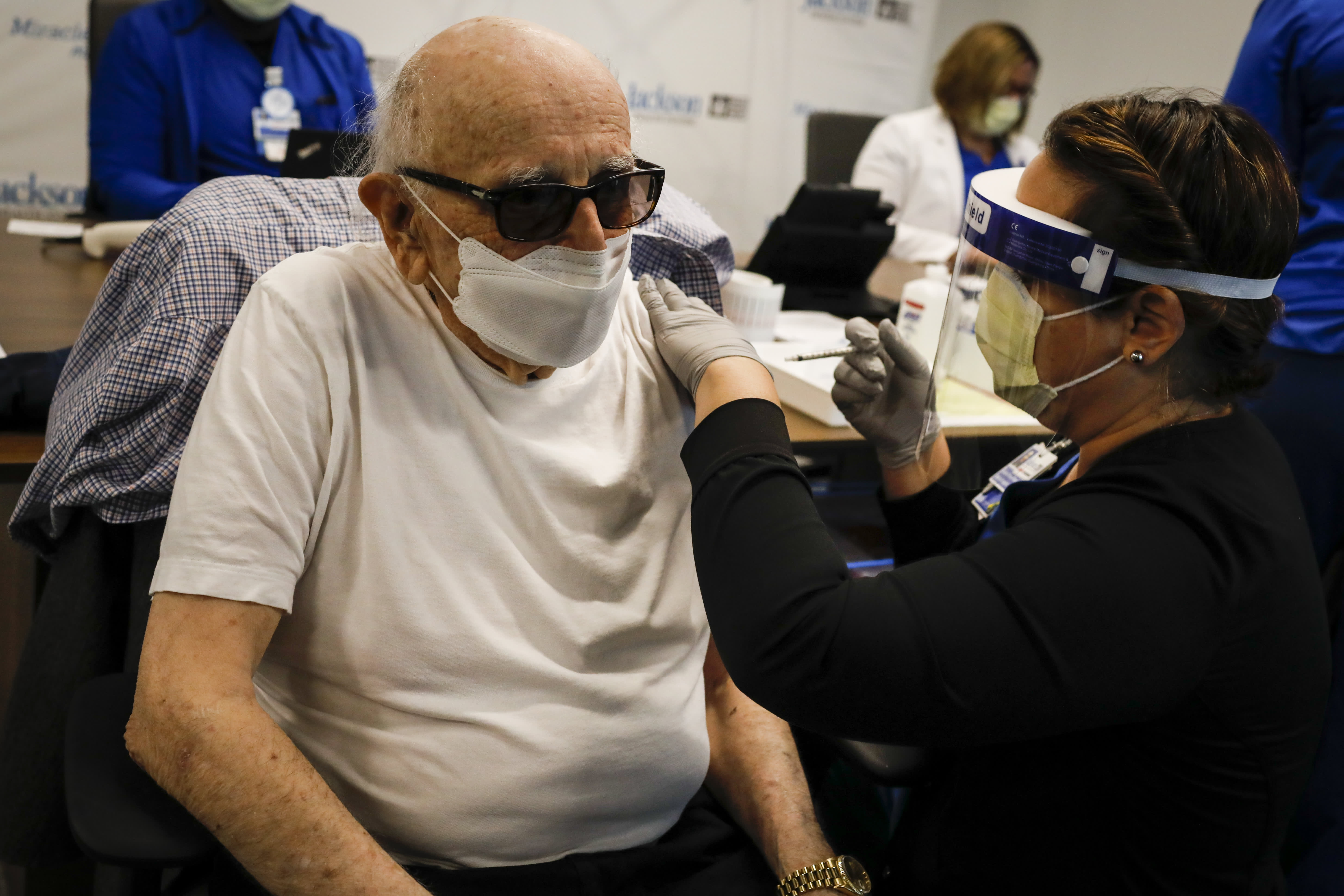
A healthcare worker gives the Pfizer/BioNTech vaccine to Norman G. Einspruch, 88, a cardiology patient, as part of COVID-19 vaccination plan for the seniors at the Jackson Memorial Hospital in Miami, Florida, United States on December 30, 2020.

Marco Bello | Anadolu Agency | Getty Images

High-risk groups such as the elderly and people with underlying medical conditions are expected to be the first in line to get booster shots of the Pfizer-BioNTech Covid-19 vaccine, the company's chief scientific officer told investors Tuesday.

The two-dose vaccine has been shown to be about 95% effective against Covid two weeks after the second dose, though researchers who helped developed the shot now say they are beginning to see that strong protection wane over time.

Executives at Pfizer and BioNTech previously told CNBC that people will likely need a booster shot, or third dose, of the Covid-19 vaccine within 12 months of getting fully vaccinated. They also said it's likely people will need to get additional shots each year.

CNBC Health & Science

During an earnings call Tuesday, Mikael Dolsten, Pfizer's chief scientific officer, said it makes sense to start with those most susceptible, like older adults and those with chronic diseases that make them more vulnerable to severe illness and hospitalization, such as cardiovascular disease or asthma.

"We cannot predict what the CDC and FDA will do," he added.

Dolsten's comment comes after the company reported that sales of its Covid-19 vaccine boosted its first-quarter financial results.

The company now expects full-year sales of $26 billion from the vaccine, up from its previous forecast of about $15 billion. It expects an adjusted pretax profit in the high 20% range of revenue for the vaccine.

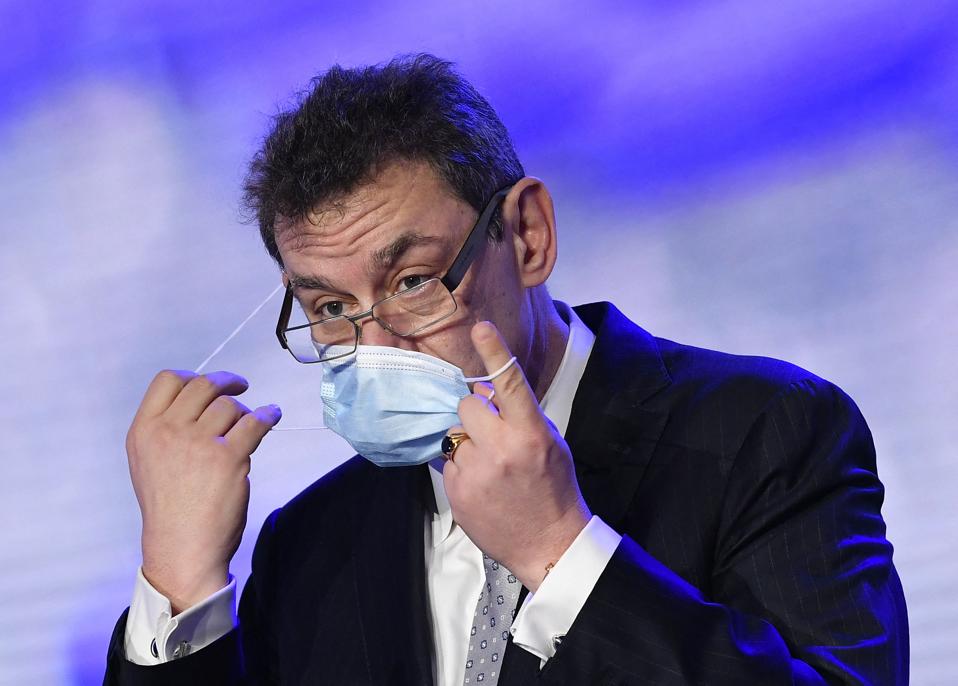
"Based on what we've seen, we believe that a durable demand for our Covid-19 vaccine, similar to that of the flu vaccines, is a likely outcome," Pfizer CEO Albert Bourla told investors on the earnings call.

Should Americans require booster shots, the U.S. government would likely need to make arrangements with the drugmakers to supply additional doses and make plans for vaccine distribution.

Last month, Andy Slavitt, senior advisor to President Joe Biden's Covid response team, said the White House is preparing for the potential need for Covid-19 vaccine booster shots. He said the Biden administration has thought about the need to secure additional doses.

The Link Lonk


May 04, 2021 at 11:38PM
https://ift.tt/3nJoU7C

Pfizer scientist expects elderly, people with underlying conditions to be first to get Covid booster shots - CNBC

https://ift.tt/2DVP6sH

Market Moves Indicate Covid-19 Vaccine Boosters Are Coming - Forbes


Market moves indicate Covid-19 vaccine boosters will likely be a reality soon. Among many recent market developments, the E.U. is negotiating a contract with Pfizer/BioNTech to deliver 1.8 billion doses for the years 2021 to 2023. The U.K. has secured an additional 60 million doses of the Pfizer/BioNTech Covid-19 vaccine. And, Israel purchased 9 million more Pfizer/BioNTech vaccines to ensure capacity for boosters through 2022.

The other manufacturer of mRNA Covid-19 vaccines, Moderna, has committed itself to producing three billion doses annually.

Perhaps most telling that the world intends to booster up is a recently published IQVIA report which states that worldwide $157 billion will be spent on Covid-19 vaccines through 2025.

In a statement last month, Pfizer CEO Albert Bourla asserted boosters will be very likely 6 to 12 months following the initial two-dose regimen. Echoing Bourla’s comments, BioNTech co-founder and CMO Dr. Ozlem Tureci said an additional shot of the two-dose vaccine will be needed as immunity wanes over time. Tureci played a key role in developing the mRNA vaccine.

So far, both mRNA-based vaccines have reported remarkable efficacy at the 6-month mark, at more than 90%, with even greater protection against severe illness and death.

Beyond 6 months, however, the durability of immunity remains unclear. Furthermore, manufacturers must determine whether additional doses will be needed to combat certain new variants of concern, including the P.1 and B.1.617 variants that have wreaked havoc in Brazil and India, respectively.

Pfizer and BioNTech are investigating the efficacy of a third dose administered 6 to 12 months after the first two-dose regimen. Moderna is conducting a similar trial. The firms are also conducting trials to test vaccine efficacy against several of the variants of concern.

MORE FOR YOU

There may be a conflict of interest when the CEO of a company that manufactures boosters declares we need boosters. Nonetheless, cynicism aside, what we can safely assume, based in part on a large-scale Danish study of reinfections, is that following infection immunity diminishes over time. According to the study, the vast majority of people who recover from Covid-19 remain protected from the virus for at least six months. But the risk of reinfection appears to be higher among people over the age of 65. Prior infection with the coronavirus reduced the chances of a second bout by only about half in those older than 65.

What the Danish study did not investigate is whether the immunity conferred by way of vaccines is stronger than natural immunity. That would appear to be the case in clinical studies, at least for the mRNA vaccines which have more than 90% efficacy 6 months after a completed regimen. The findings showed only a small decrease in efficacy and a slight antibody decline.

Perhaps it’s no surprise then that at the time that Pfizer CEO Bourla said people will likely need a Covid-19 vaccine booster, and annual vaccinations akin to influenza shots are probable going forward, some public health and infectious disease experts expressed skepticism.

Dr. Paul Offit, a vaccine expert at Children's Hospital of Philadelphia, said that there isn’t sufficient data yet to make that judgment call. Similarly, Dr. Monica Gandhi, epidemiologist and public health expert, suggested boosters may not be necessary. After all, the clinical studies haven’t shown an appreciable decrease in antibodies at 6 months.

Nevertheless, for real-world evidence that goes beyond a half year we still need to wait and see. The vaccine rollout began roughly five months ago. And so, the 6-month mark is fast approaching. Dr. Fauci, Director of the U.S. National Institute of Allergy and Infectious Diseases and the chief medical advisor to the President, is on record as saying that it should be known for sure by this autumn whether booster Covid-19 vaccines will be necessary and what timetable to expect.

Of course, there’s also the question of whether the necessity of boosters will depend on the vaccine type given to an individual. It may be that vaccines with potent immunity like the mRNA agents will require less frequent boosters than others. But it’s not been ascertained at this point.

Further, variants of concern remain a wildcard in Covid-19 transmission. It may be that how soon people ought to be re-vaccinated depends on how the novel coronavirus evolves in terms of its ability to elude current vaccines. The ongoing extraordinarily high numbers of daily cases and the fact that large swaths of the globe are unvaccinated are sure to spawn new variants, one or more of which could evade vaccines.

Boosters are a rather safe bet at this point, as market moves indicate. What’s less of a sure thing is how effective our current set of vaccines will be against certain variants of concern.

The Link Lonk


May 01, 2021 at 07:19PM
https://ift.tt/3nBSs6W

Market Moves Indicate Covid-19 Vaccine Boosters Are Coming - Forbes

https://ift.tt/2DVP6sH

Featured Post

Booster may be needed for J&J shot as Delta variant spreads; some experts already taking them - ABC27

Coronavirus by: Reuters , via Nexstar Media Wire Posted: Jun 29, 2021 / 02:02 PM EDT / Updated: Jun 29, 2021 / 02:02 PM EDT THORN...

Popular Posts